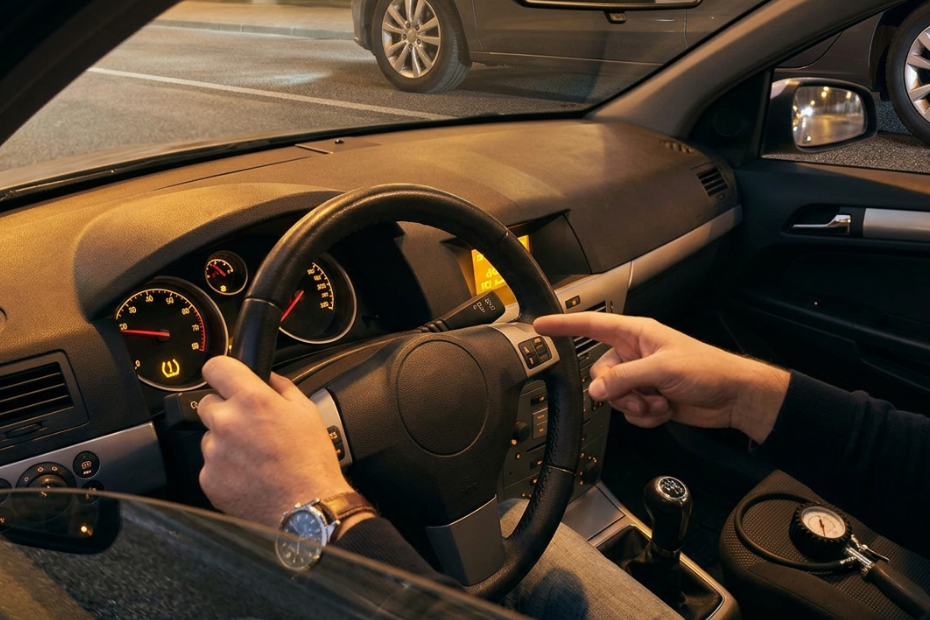
The tire pressure warning light comes on, you get out, walk around the car, and every tire looks completely normal. No flats, no obvious sag, nothing visibly wrong. So why is the light still on?
This is one of the more confusing dashboard warnings simply because “looks fine” and “is fine” aren’t the same thing when it comes to tire pressure. Here’s what’s actually going on, in order of how likely each one is.
1. The Pressure Drop Is Too Small to See
Tires can lose several PSI before it’s visible to the eye. A tire that’s down 5–8 PSI from its recommended level can look completely normal while still being well below what your TPMS system is set to flag. This is the single most common reason for this exact situation.
How to check: Use a tire pressure gauge (or the air pump at most gas stations) and check all four tires against the PSI number listed on the sticker inside your driver’s door jamb, not the number printed on the tire itself, which is a maximum, not a recommendation.
2. Temperature Drop
Tire pressure changes with temperature. For roughly every 10°F drop in outside temperature, tires lose about 1 PSI. If the weather recently turned colder, your tires can fall just below the threshold overnight without anything being wrong with them at all.
How to check: If the light came on after a cold morning or a sudden weather change, this is very likely your answer. Check pressures once the tires have been sitting (not right after driving, since heat from driving temporarily raises the reading).
3. A Slow, Small Leak
A nail, a piece of road debris, or a slightly damaged valve stem can cause a leak slow enough that you won’t see a flat tire, but fast enough to trip the warning over a day or two.
How to check: After confirming and correcting the pressure, watch it over the next few days. If one tire keeps dropping while the others hold steady, you’ve got a leak worth having a shop check, even if it’s slow.
4. A Faulty TPMS Sensor
Each tire typically has its own pressure sensor, and these run on small batteries that do eventually die, usually somewhere in the 5–10 year range. A failing sensor can throw a warning even when the actual tire pressure is completely normal.
How to check: If you’ve confirmed all four tires are at the correct PSI and the light still won’t turn off after driving a few miles, a faulty sensor (rather than the tire itself) becomes the most likely explanation.
5. The System Just Needs to Relearn
After rotating tires, swapping to winter tires, or even just topping off air, some systems need to “relearn” the new readings before the light clears, even though nothing is actually wrong. This varies a lot by make and model.
How to check: Drive at a steady speed above 50 mph for about 10 minutes. On many vehicles, this alone resets the system once pressures are correct.
6. The Spare Tire (On Certain Vehicles)
A handful of vehicles also monitor the spare. If you’ve used the spare recently or it’s been sitting low for a while, it can trigger the same warning light, even though all four road tires are fine.
What to Do, Step by Step
- Check actual pressure in all four tires with a real gauge, against the door-jamb sticker number.
- Correct any tire that’s off, including the spare if your vehicle monitors it.
- Drive for 10–15 minutes at steady speed to let the system relearn.
- If the light stays on after that, suspect a slow leak or a failing sensor rather than the tires themselves.
If you’ve also noticed uneven wear alongside this, it’s worth a quick look at how that connects to suspension health in our guide on bouncy or floaty rides after hitting a pothole, since worn shocks can sometimes accelerate uneven tire wear that confuses pressure readings corner to corner.
FAQ
Is it safe to drive with the TPMS light on if the tires look fine?
For a short trip, yes, especially if you’ve already checked pressures and they’re close to correct. But don’t ignore it long-term, since a slow leak or a real puncture can look identical to a sensor glitch at first.
Why does the light come on overnight but not during the day?
This is almost always temperature-related. Cooler overnight air drops PSI just enough to trip the sensor, then it can clear once the tires warm up from driving.
How long do TPMS sensor batteries last?
Most last somewhere between 5 and 10 years. If your vehicle is in that range and the light won’t clear despite correct pressure, a dying sensor battery is a reasonable guess.
Can a tire shop diagnose which sensor is bad?
Yes, most tire shops and many auto parts stores can scan the TPMS system directly and tell you exactly which sensor is reporting the fault, rather than you having to guess.