


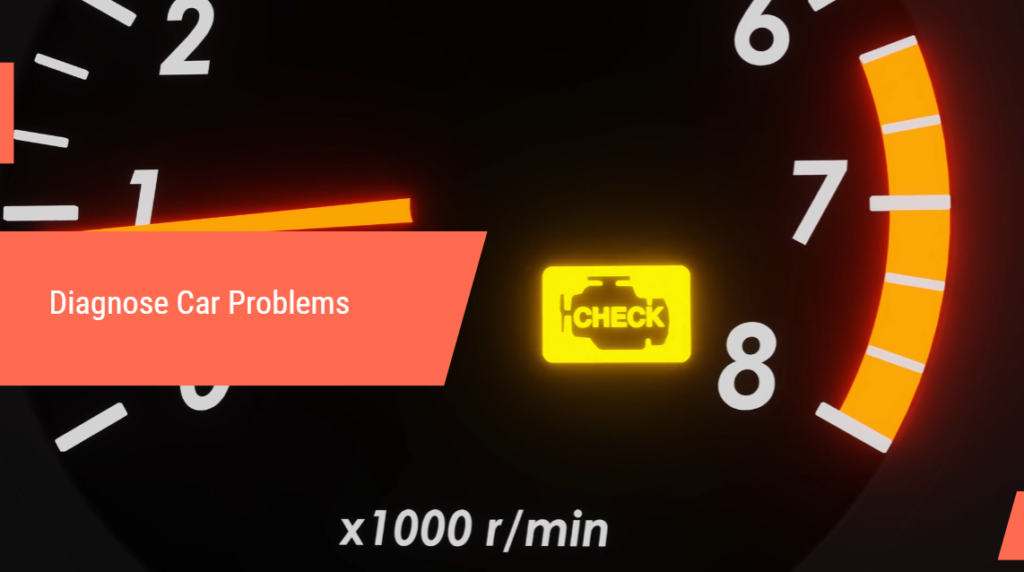
I know that feeling in your gut when you are driving and a little yellow light pops up on your dash.
It looks like a tiny engine. Your heart sinks a bit because you start thinking about big repair bills.
I have been there many times myself. It feels like the car is trying to tell you a secret but it is speaking a different language.
The good news is that you do not need to be a pro to understand it.
I have spent a lot of time working on my own cars in my driveway.
I found out that the check engine light is not always a disaster. Sometimes it is just a small thing that you can fix in five minutes.
Let’s sit down and talk about how you can figure this out right at home.
You do not need a giant garage or expensive tools to start.
Most of the time, your car is just noticing that something is not quite right with the air or fuel.
Think of it like a small cough. It might be a cold, or it might just be some dust.
We are going to find out which one it is together.
What That Little Yellow Light Actually Means
When that light comes on, it means your car’s brain found a problem. The brain is a computer that watches everything.
It wants to make sure the car runs clean and saves gas. If one part stops working well, the light turns on to warn you.
It does not always mean your engine is about to explode.
In fact, most cars run just fine even with the light on. But you should not ignore it for too long.
If you wait, a small problem can turn into a big, pricey one. It is like a small leak in a roof that eventually ruins the whole ceiling.
Sometimes the light stays steady and sometimes it blinks. A steady light means you should check it soon.
A blinking light is more serious. If it flashes, it means you should pull over and stop.
That usually means the engine is missing a beat and could hurt the parts that clean the exhaust.
Start With the Simplest Fix First
You might laugh, but the most common reason for this light is a loose gas cap.
I have seen this happen so many times. If the cap is not tight, air gets into the fuel system. The car thinks there is a leak and turns on the light.
Before you do anything else, go to the back of your car.
Open the fuel door and check the cap. Take it off and put it back on until it clicks. If the cap is cracked or old, you might need a new one. They only cost a few dollars at the store.
After you tighten it, the light might not go away right away.
The car needs to drive for a bit to realize the problem is fixed. Give it a day or two of normal driving.
If the light stays on, then we know it is something else. This is the easiest way to start your search.
Use a Simple Tool to Talk to Your Car
To really know what is wrong, you need a tool called an OBD2 scanner. It sounds fancy, but it is just a small plug-in device.
You can find them online or at a local shop for the price of a few pizzas. I keep one in my glove box all the time.
Every car made after 1996 has a special port for this tool.
It is usually hidden under the dashboard near your knees. You just plug the scanner in and turn your key to the “on” position. The scanner will show you a code, like P0300 or P0420.
These codes are the car’s way of telling you exactly where it hurts.
You can look these codes up on your phone. It will tell you if the problem is a sensor, a spark plug, or something else.
This tool takes away all the guessing and makes you feel much more in control.
Checking the Sensors That Breathe for Your Car
Your car needs to breathe just like you do. It has a sensor called the Mass Air Flow sensor. It measures how much air is coming into the engine. If this sensor gets dirty, the car gets confused about how much gas to use.
I have found that cleaning this is very easy. You can buy a special spray made just for this part. You just take the sensor out, spray it, let it dry, and put it back. It is a very common reason for that light to pop up.
Another big one is the Oxygen sensor. This sits in your exhaust pipe.
It checks how much fuel is left over after the engine fires. If it gets old or covered in soot, it stops sending the right signals.
Replacing this can often make your car run much smoother and save you money on gas.
Looking at Your Spark Plugs and Wires
If your car feels shaky or jerky when you speed up, it might be the spark plugs. These little parts create the spark that makes the engine go. Over time, they get dirty or worn out. When they fail, the engine “misfires,” and the light will definitely turn on.
You can check these at home with a simple wrench. Pull one out and look at the tip.
It should be clean and a light tan color. If it looks black or burnt, it is time for new ones. Changing spark plugs is a great way to start learning about your car.
I always tell my friends that fresh spark plugs make a car feel brand new.
It is like giving your car a fresh pair of running shoes.
The engine will start easier and the light will stay off. It is one of the best things you can do to keep your car happy.
When to Call a Professional Mechanic
Even though we can do a lot at home, some jobs are just too big. If you find a code that mentions the “Catalytic Converter,” that might be a tough one. This part is under the car and can be very expensive and hard to reach.
If you see smoke coming from the engine or hear loud banging sounds, stop what you are doing.
Those are signs of big trouble. Safety is always the most important thing. I love fixing things myself, but I also know when a job needs a big lift and heavy tools.
Using your scanner first is still helpful even if you go to a shop. You can tell the mechanic exactly what code you found. This shows them you know your stuff. It helps make sure you get a fair price for the repair.
Keeping the Light Off for Good
The best way to deal with the check engine light is to keep it from coming on.
This means doing regular oil changes and checking your filters. A clean engine is a happy engine. I like to keep a small notebook in my car to write down when I fix things.
Make sure you listen to your car. If it sounds different or smells funny, take a look under the hood. Catching things early keeps them from becoming big headaches later. It is all about being a good friend to your vehicle.
Now that you know how to use a scanner and check the basics, the light isn’t so scary.
You have the power to find the problem yourself. It feels really good to fix something with your own hands. You saved money and learned a new skill at the same time.
Can I drive my car with the check engine light on?
Yes, you can usually drive if the light is steady and the car feels normal. However, you should diagnose it as soon as possible to avoid damage. If the light is flashing, you must stop driving immediately to prevent engine failure.
Will the check engine light reset itself?
If you fix the problem, the light may stay on for a short time. Most cars need to complete a few “drive cycles” without errors before the computer turns the light off. You can also use a scanner tool to clear the code manually once the repair is done.
How much does it cost to diagnose a check engine light at a shop?
Many shops charge between $75 and $150 just to plug in a scanner and tell you the code. This is why buying your own scanner for $30 is a great idea. Some auto parts stores will even scan your car for free in the parking lot.
Why did my light come on and then go away?
This is called an intermittent problem. It means a sensor saw something wrong for a moment, but then it went back to normal. It is still a good idea to check for “pending codes” with a scanner to see what caused the glitch.
To sum up,
that yellow light is just a tool to help you keep your car running well. Don’t let it ruin your day. Grab a simple scanner, check your gas cap, and see what your car has to say. You might be surprised at how easy the fix really is.